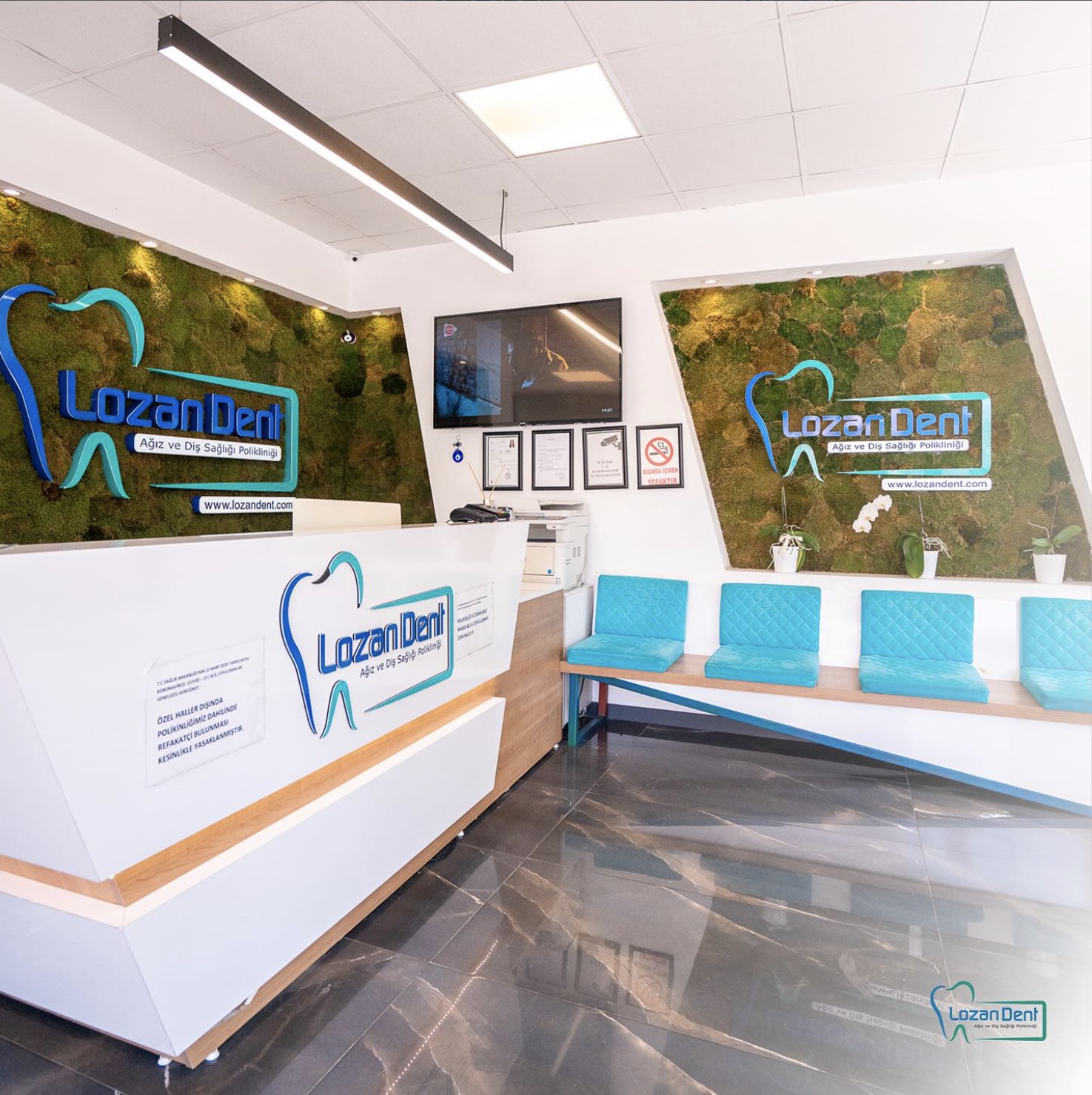
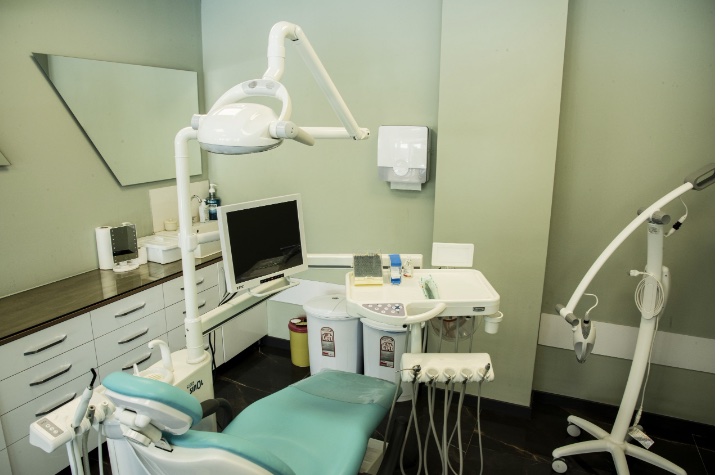
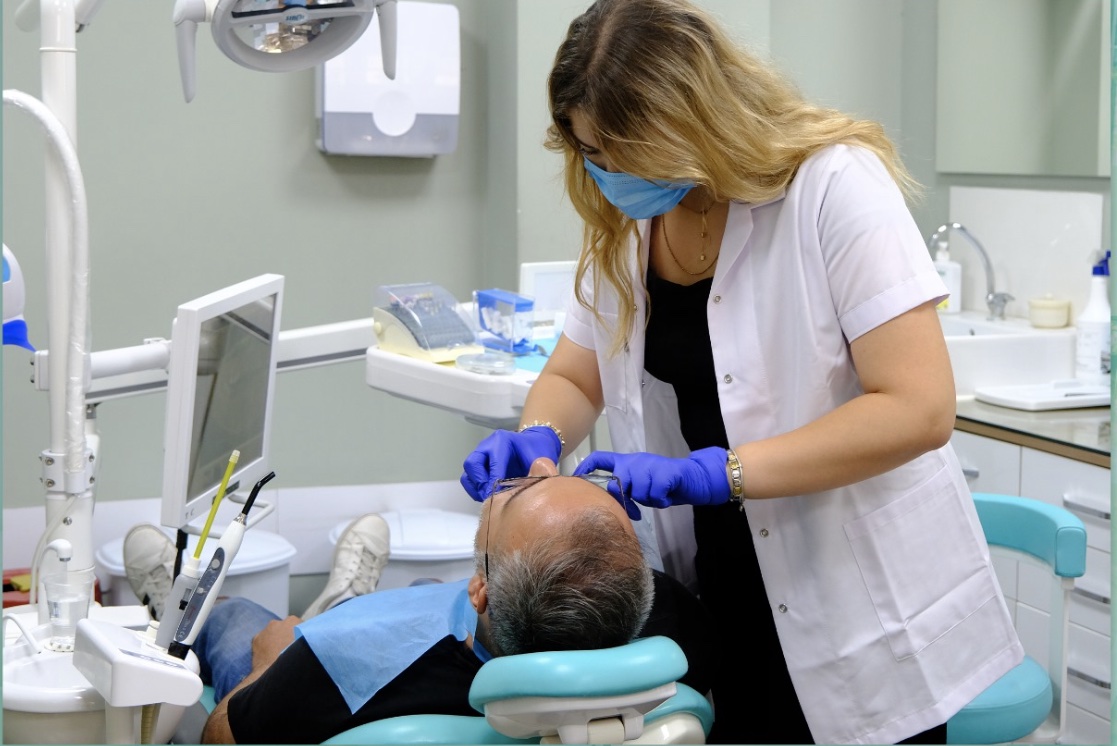
<p><strong>Lozan Dent Oral and Dental Health Clinic</strong> was established in <strong>2019 in Alsancak, İzmir</strong>, and provides oral and dental health services with <strong>state-of-the-art technology</strong> and a <strong>team of experienced specialists</strong>. Since its establishment, Lozan Dent has prioritized patient satisfaction and continuously updates its infrastructure by closely following modern dental practices.</p><p>With a strong institutional background, extensive clinical experience, and a meticulous approach to care, our clinic aims to deliver <strong>safe, high-quality, and reliable dental treatments</strong>. By keeping up with the latest technological advancements, we ensure that our patients receive effective and up-to-date dental solutions.</p><p>Growing rapidly with its expert dental team, Lozan Dent strives to increase patient satisfaction every day and to become a clinic that is highly recommended by its patients. We believe that true professionalism is defined not only by clinical success but also by the value given to patients, and we continue to work with dedication to protect and improve your oral and dental health.</p>
Information to Help You Decide
Treatment Areas
This hospital provides care across 10 treatment areas.
What Is an Implant?
An implant is a titanium screw placed into the jawbone and used in the treatment of missing teeth. A dental prosthesis is placed on top of this screw. The main advantage of implant treatment over other methods is that neighboring teeth are not damaged; in other words, adjacent teeth do not need to be cut. The implant functions like a tooth root, allowing you to eat, speak, and smile comfortably just like with natural teeth.
Who Is Suitable for Implant Treatment?
Implant treatment can be applied to individuals over the age of 18 who have completed jaw and facial development. Before treatment, X-rays are taken to determine whether the jaw structure is suitable for an implant. In patients with diabetes, the disease must be under control before treatment. For those using blood-thinning medications, these drugs should be discontinued prior to treatment. Patients with osteoporosis can receive implant treatment after appropriate medical management.
How Is Implant Treatment Performed?
Implant treatment is performed under mild sedation. A detailed examination and radiographic evaluation are required before the procedure. Measurements of the jawbones and remaining teeth are taken. There are two options for placing dental implants.
In the one-stage procedure, after the implant is placed, a temporary crown is attached. In the two-stage procedure, after the dental implant is inserted, it is covered with gum tissue and left to heal; the prosthetic crowns are placed later. In both cases, a temporary bridge is provided, and a healing period of approximately three months for the lower jaw and six months for the upper jaw is expected. In some cases, newly made teeth can be placed on the dental implants immediately. With dental implants, patients can smile and eat with confidence.
Zirconium Implants
Zirconium implants are a new-generation implant designed to increase the strength of titanium implants and are especially used to improve durability in narrow jawbones. Other than increased strength, there is no difference from titanium implants. Zirconium is also used in dental crowns. It has a natural tooth-like whiteness and reflects light, making it aesthetically pleasing in addition to being durable. It does not cause wear, does not leave a metallic taste in the mouth, does not discolor over time, and is harmless to the body.
Teeth whitening is a cosmetic procedure in which colored organic and inorganic substances formed on the enamel surface of the teeth are removed using teeth whitening gels.
What Is Orthodontics?
Orthodontics is a dental specialty that diagnoses, monitors, prevents, and treats misaligned and crowded teeth and jaw relationship problems.
Why Do Orthodontic Problems Occur and How Are They Treated?
Disorders such as the lower jaw being positioned too far forward or backward are evaluated by considering the patient’s age, and the appropriate treatment method is determined accordingly. If the patient is in adolescence and there is underdevelopment of the upper and/or lower jaw, treatment with orthodontic techniques is possible. If the patient is an adult, skeletal deformities are treated through cooperation between orthodontics and surgery.
Jaw incompatibilities may also be observed due to functional disorders, such as mouth breathing. In individuals who breathe through the mouth, the upper jaw remains narrow and develops a V-shaped form. Prolonged use of bottles and pacifiers, as well as habits such as thumb sucking and nail biting, can lead to orthodontic problems. These habits should be treated as early as possible, as preventing them at a young age is crucial for proper skeletal development.
Conditions such as an abnormally large tongue structure or existing gaps from extracted teeth can also cause spacing between teeth. If the jawbone is small and the teeth are large, the teeth cannot fit properly into the jaw, resulting in crowding. Early or late loss of primary (baby) teeth can also lead to crooked teeth. When a primary tooth is lost prematurely, an adjacent permanent tooth may drift into that space. As a result, the teeth that are supposed to erupt there cannot find sufficient space, causing crowding.
How Necessary Is Orthodontic Treatment?
Orthodontic treatment is not only for aesthetic concerns; it also aims to prevent potential future gum diseases, avoid jaw joint problems, ensure proper chewing function, and correct speech disorders.
Depending on the existing orthodontic problem, treatment methods may include removable appliances, functional appliances, and fixed appliances. Simple orthodontic problems that are not in advanced stages can often be resolved with removable elastic appliances that the patient can put on and take off.
After the completion of primary orthodontic treatments, retention therapy is extremely important to prevent relapse and deterioration. During this phase, different passive appliances may be used. The field of orthodontics works in continuous cooperation with other dental specialties.
What Is Maxillofacial Surgery?
In our Department of Oral, Dental, and Maxillofacial Surgery, the diagnosis and surgical treatment of all diseases and disorders of the oral soft tissues (tongue, cheek, lips, salivary glands, etc.), teeth, jaws, and temporomandibular joint are performed. Depending on the type of procedure and the patient’s condition, planned surgical interventions are carried out under local anesthesia, conscious sedation, or general anesthesia.
Treatment Services Provided in Our Maxillofacial Surgery Clinic
Extraction and surgical exposure of erupted or impacted teeth
Dental implant procedures and, when necessary, sinus lifting (sinus elevation) and/or grafting (bone powder, autogenous block grafts)
Surgical preparation and reshaping of soft and hard tissues in the mouth prior to prosthetic treatments
Treatment of cystic or tumoral lesions developing in both soft tissues (cheek, palate, tongue, lips, muscles, etc.) and hard tissues (teeth, bones) within the oral cavity
Treatment of infections occurring in the maxillofacial region
Treatment of dental and jaw fractures
Surgical and non-surgical treatment of temporomandibular joint disorders
Surgical treatment of temporomandibular joint and jawbone fractures
Reconstruction of jawbones and surrounding soft tissue defects
Implant surgery
Treatment of patients with dental phobia under general anesthesia and sedation
What Is Dental Aesthetics?
Dental aesthetics refers to the set of treatments performed on the teeth to achieve an ideal and aesthetically pleasing smile line. In smile design, great importance is given to factors such as tooth shape, tooth size, gum level, tooth color, lip level, tooth alignment, and the harmony between teeth and gums—all of which fall within the scope of dental aesthetic treatments.
To achieve the best possible outcome, a proportional evaluation of the face, oral components, and the individual’s expectations are considered together. Thanks to aesthetic analyses performed at both macro and micro levels, the overall result can be approximately determined even before the procedure begins.
Dental aesthetic applications aim to create an optimized, personalized treatment plan by taking facial features and proportions into account at the end of the process. The areas to be treated are photographed and existing problems are identified. What can be done to achieve aesthetic improvement is discussed between the dentist and the patient, and expectations are carefully evaluated. The feasibility of these expectations is assessed through clinical examination and radiographic methods by analyzing the teeth, gums, and bone levels, and a treatment plan is then established.
A multidisciplinary treatment approach is also embraced in dental aesthetics. The medical procedures to be applied are reinterpreted not only in terms of periodontal components but also by including the face and its structures. In this approach—also referred to as “white aesthetics” and “pink aesthetics”—harmony and naturalness should always be the top priorities.
What Is Root Canal Treatment (Endodontics)?
Root canal treatment is performed when the pulp tissue inside the tooth, which contains nerves and blood vessels, becomes infected. A tooth consists of three layers, and the pulp is located within the root canals. Thanks to modern dental techniques, an infected tooth can now be saved instead of being extracted.
During root canal treatment, the infected nerve and tissue are removed, the canals are thoroughly cleaned and disinfected, and then filled with special materials. This allows the tooth to continue functioning naturally. In adults, tooth nerves mainly transmit hot and cold sensations, so no functional loss occurs after treatment.
How Is Root Canal Treatment Performed and How Long Does It Take?
Depending on the condition of the tooth, treatment can be completed in 1 to 3 sessions. Before the procedure, X-rays are taken to evaluate the root canals. The treatment is performed under local anesthesia; the tooth is isolated, infected tissues are removed, the canals are shaped, and finally sealed with a permanent or temporary filling.
Root canal treatment is a safe and effective procedure that prevents tooth loss and preserves chewing and speaking functions.
Dental Aesthetics (Smile Design) & Zirconium Crowns
Dental aesthetics includes a range of treatments applied to the teeth and gums to achieve a healthy, natural, and attractive smile. Also known as smile design, these treatments are planned individually according to the patient’s facial structure, oral anatomy, and expectations.
In dental aesthetic treatments, the following factors are evaluated together:
Tooth shape and size
Tooth color
Tooth alignment
Gum level
Lip structure and smile line
Harmony between teeth and gums
Before treatment, a detailed oral examination, photographs, and X-rays are taken. This allows the expected result to be largely predicted in advance. The main goal is to achieve a natural, balanced smile that is in harmony with facial features. Both white aesthetics (teeth) and pink aesthetics (gums) are considered together for long-lasting and aesthetic results.
What Are Zirconium Crowns?
Zirconium crowns are a modern dental restoration known for their high strength and natural appearance. Thanks to their light-transmitting structure, they closely resemble natural teeth and do not contain metal. Zirconium crowns can be safely used on both front and back teeth, including molars.
During the procedure, teeth are minimally reshaped to preserve natural tooth structure. Zirconium provides excellent thermal insulation, reducing sensitivity to hot and cold. Because of its natural color and translucency, it is almost impossible to distinguish zirconium crowns from natural teeth.
How Are Zirconium Crowns Applied?
The treatment begins with tooth preparation under local anesthesia. After healing, precise impressions are taken. The zirconium substructure and porcelain outer layer are prepared in a laboratory and then bonded to the teeth using special dental adhesives.
After the procedure, mild sensitivity may occur, but serious complications are rare. Zirconium crowns are generally not recommended for patients under 18–20 years of age, as jaw development may still be ongoing. Suitability should always be evaluated by a dentist.
What Is a Porcelain Dental Crown?
A porcelain dental crown is a treatment used to protect and restore teeth that have suffered significant material loss, fractures, or aesthetic problems for various reasons. The tooth is covered with a porcelain material shaped like a natural tooth. This procedure does not damage the tooth; on the contrary, it protects the tooth and extends its lifespan.
Porcelain crowns can be applied for functional reasons as well as for aesthetic purposes, depending entirely on the patient’s expectations and needs.
When Are Porcelain Crowns and Bridges Applied?
Porcelain dental crowns and bridges may be recommended in the following cases:
Mild to moderate tooth misalignment
Missing teeth (bridge treatments)
Tooth decay that cannot be treated with regular fillings
Noticeable tooth fractures
Aesthetic smile enhancement
If one or more of these conditions are present, the decision to apply a porcelain crown is made jointly by the dentist and the patient after a detailed examination.
Who Is Not Suitable for Porcelain Crowns?
Porcelain crowns are not recommended for patients with active infections, untreated root canal requirements, or advanced gum disease. These conditions must be treated first before considering porcelain crown treatment.
What Is Periodontology?
Periodontology is the branch of dentistry that focuses on the health of the tissues supporting the teeth, including the gums and jawbone. Periodontitis is a serious gum disease in which gum inflammation progresses and affects the jawbone. The main cause of periodontal disease is bacterial plaque; however, genetic, environmental, and systemic factors may also contribute.
Symptoms of Periodontal Disease
The most common early symptom of periodontal disease is bleeding gums. Other signs may include:
Red, swollen gums
Bad breath
Gum discomfort or itching
Tooth sensitivity
Loose teeth
Because periodontal disease often progresses without pain, it may go unnoticed in its early stages and can eventually lead to tooth loss if left untreated.
How Is Periodontal Disease Treated?
The primary goal of periodontal treatment is to restore gum health and prevent tooth loss. Depending on the severity of the condition, treatment may include oral hygiene instruction, professional cleaning, root surface smoothing, and, when necessary, surgical procedures. Gum aesthetics may also be addressed as part of periodontal therapy.
With early diagnosis and proper care, periodontal disease can be successfully treated. Healthy gums are essential for long-lasting and effective dental treatments.
What Is an Aesthetic (Composite) Filling?
An aesthetic filling is a modern dental treatment used to restore teeth affected by decay, fractures, or wear using tooth-colored materials. Replacing traditional black (amalgam) fillings, aesthetic fillings can be safely applied to both front and back teeth. Made from composite or porcelain materials, these fillings are bonded to the tooth using a special light-curing technique, providing a natural appearance.
Why Is an Aesthetic Filling Needed?
Aesthetic fillings are preferred for the following reasons:
Repairing decayed or broken teeth
Eliminating the dark appearance caused by amalgam fillings
Correcting tooth discoloration
Closing gaps between teeth
Restoring tooth length and shape
Creating a personalized smile design
Aesthetic fillings restore the tooth’s natural look, strength, and function, offering both cosmetic and functional benefits.
How Long Does an Aesthetic Filling Take?
Aesthetic filling treatment is usually completed in a single visit. Depending on the condition of the tooth, the procedure typically takes 20–30 minutes.
Our doctors
Please select the doctor you would like to book with.